Book Written By: Bill Perkins
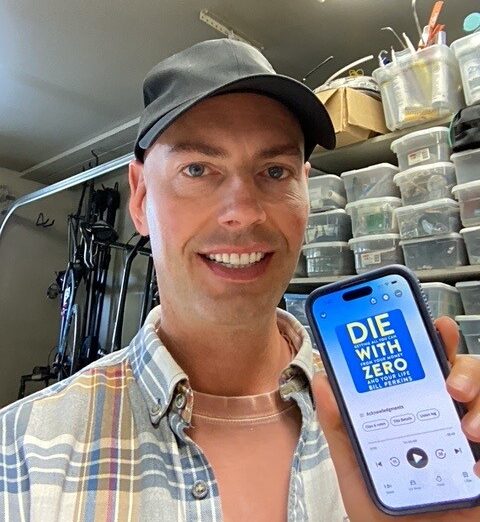
Die With Zero: Getting All You Can from Your Money and Your Life
Generally, I pick books that I think I’ll enjoy, and not surprisingly, I usually find something to like about them. This time, I intentionally picked a book I didn’t think I would agree with.
Die With Zero by Bill Perkins promotes the idea that people should use up their money during their lifetime rather than accumulating assets they never enjoy.
As a financial planner, my initial reaction was, “Yikes.” One of the biggest concerns clients bring to me is the fear of running out of money. Planning to die with nothing left sounds great in theory, but what happens if you live longer than expected?
What I appreciated about the book is that it isn’t really about spending every last dollar. At its core, it’s about taking your life off autopilot. Perkins makes a strong argument for being intentional about your time, your money, and the experiences you pursue. He encourages readers to invest not only in financial assets but also in memories and experiences that can provide lasting value.
I particularly enjoyed the theme of being honest about what brings you joy. For some people that’s travel. For others it’s gardening, hobbies, family, or volunteering. The point is not what you choose, but that you choose intentionally rather than simply drifting through life.
Where I struggled with the book was its assumption that once you’ve earned enough to retire comfortably, continuing to work is largely a waste of time. That ignores the fact that many people work for reasons beyond their own consumption. Some want to make charitable gifts, help future generations, or simply find purpose in what they do.
The biggest weakness, in my opinion, is the author’s solution to the problem of not knowing when you’ll die. His answer is essentially to use an online longevity calculator and plan accordingly. Out of curiosity, I tried one and it told me I should live to 95 (yeah, I guess), which is actually close to the assumptions I use in financial planning. Still, life expectancy is a probability, not a guarantee.
In the end, I enjoyed the book more than I expected. I don’t agree with the idea that everyone should die with zero assets, but I strongly agree with its broader message: be intentional with your life. At a certain point, there is little value in delaying all enjoyment. That’s a lesson worth considering, whether you ever embrace the “die with zero” philosophy or not.